As companies across Tampa place greater emphasis on employee well-being, office design is becoming an important part of workplace fitness strategies. Rather than relying only on gym memberships or wellness challenges, businesses are creating work environments that naturally encourage employees to move throughout the day. Traditional office layouts often require workers to remain seated for long periods, which can contribute to fatigue and reduced energy. Modern workplaces are addressing this issue with adjustable desks, open pathways, activity areas, and conveniently located shared spaces. By making movement easier and more natural, companies can help employees incorporate small amounts of physical activity into their regular routines without interrupting productivity.
Incorporating Flexible Work Areas
Flexible workspaces can support both comfort and movement by allowing employees to choose where and how they work. Sit-stand desks, communal tables, lounge areas, private rooms, and collaborative spaces give workers opportunities to change positions throughout the day. Instead of spending eight hours in the same chair, employees can move between different areas depending on their tasks. Offices such as Tarpon Office Spaces can reflect the growing demand for adaptable workplace environments that support changing business and employee needs. Flexible layouts may also encourage workers to walk more frequently when moving between meetings, workstations, and shared amenities, adding light activity to the workday.
Making Stairs and Walking Routes More Accessible
Office design can influence whether employees choose to walk or remain sedentary. Companies can make stairways more visible, comfortable, and convenient so employees are more likely to use them instead of elevators for short trips between floors. Wider hallways, indoor walking routes, landscaped outdoor paths, and strategically positioned meeting spaces can also encourage additional steps. Some Tampa businesses may organize walking meetings for smaller groups, allowing employees to discuss projects while getting fresh air and light exercise. These simple design decisions can make movement part of everyday workplace culture instead of treating fitness as something that only happens before or after work.
Creating Dedicated Wellness Spaces
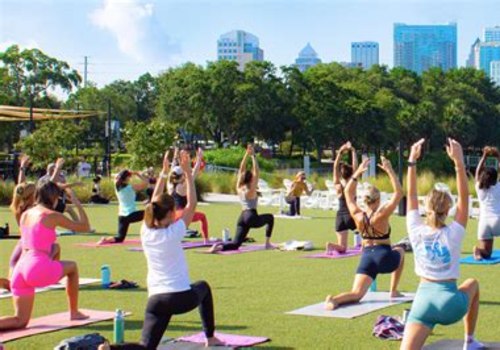
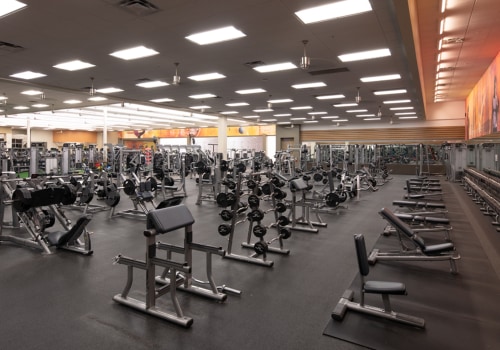
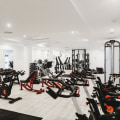
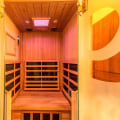
Some companies are setting aside dedicated areas for stretching, yoga, meditation, or short workouts. These spaces do not necessarily require expensive equipment or large amounts of square footage. A quiet multipurpose room with open floor space can allow employees to stretch during breaks or participate in organized wellness activities. Larger offices may include fitness rooms, showers, bike storage, or changing facilities to make active commuting and lunchtime workouts more convenient. Providing these amenities can remove practical barriers that might otherwise prevent employees from incorporating physical activity into their schedules.
Supporting Active Breaks During the Workday
Better office design can also encourage employees to take short, purposeful breaks. Break rooms, outdoor seating areas, rooftop spaces, and communal kitchens can motivate workers to leave their desks periodically. Employers may place printers, water stations, and shared equipment in central locations so workers naturally walk short distances throughout the day. While these movements may seem small, they can help break up extended periods of sitting. Companies can further support active breaks by creating a workplace culture where employees feel comfortable stepping away briefly to stretch, walk, or reset before returning to their responsibilities.
Building Healthier Office Environments
The connection between office design and employee fitness reflects a broader shift in how Tampa companies approach workplace wellness. Businesses increasingly recognize that the physical environment can influence daily habits, comfort, and overall employee experience. Adjustable workstations, walking routes, wellness rooms, outdoor areas, and flexible layouts can make it easier for employees to remain active without requiring major changes to their schedules. When these design elements are combined with supportive workplace policies and wellness programs, employees have more opportunities to move throughout the day. By creating offices that prioritize flexibility, accessibility, and activity, Tampa companies can develop workplaces that support both professional performance and healthier daily routines.